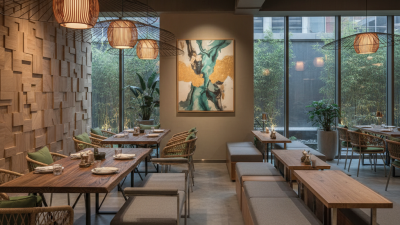
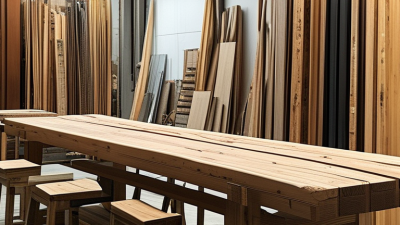
Choosing restaurant furniture for an international project involves more than comparing catalog photos. Buyers must consider daily use, shipping requirements, replacement parts, and how each piece fits the dining room. A chair that looks refined online may feel unstable on a tiled floor. Small details matter.
This guide introduces 10 restaurant furniture manufacturers for global buyers, with attention to product range, materials, customization, and service information. It helps readers compare options across dining chairs, tables, booths, and outdoor seating. The right choice depends on the project. A busy café may need easy-clean surfaces and stackable chairs, while a hotel dining room may prioritize finishes that match its interior plan.
Manufacturer descriptions and product offerings can change over time, so buyers should confirm current specifications directly before placing an order. Request material samples, dimensions, warranty terms, and written details about packaging and lead times. These checks can clarify whether a supplier suits a particular budget and delivery schedule. They do not remove every risk.
There is no single best manufacturer for every market. Import duties, local standards, freight costs, and after-sales support can affect the final decision. A polished showroom image is useful, but it cannot replace a clear quote or a sample inspection. This overview offers a starting point, not a guarantee. Compare carefully, ask practical questions, and consider how the furniture will perform after months of real service.
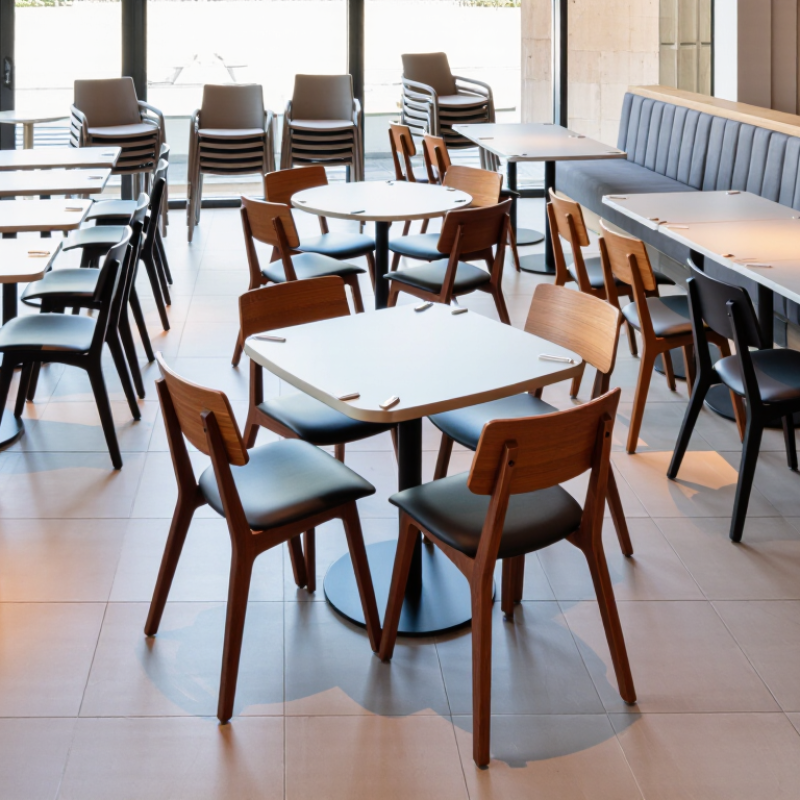
Restaurant furniture manufacturers produce more than tables and chairs. Their ranges may include dining chairs, fixed booths, bar stools, service counters, and outdoor seating. Some also make table bases, banquettes, and replacement parts. Small details matter: foot glides can reduce scraping, while wipe-clean upholstery helps staff reset tables quickly.
For global buyers, production often involves choosing materials, dimensions, finishes, and packing for long-distance shipping. Manufacturers may work from buyer drawings or offer standard sizes, then create samples for review. Before approving a large order, buyers can check frame joints, welds, edge finishing, fabric durability, and table stability. Request material specifications and inspection records, not just attractive photographs.
Suppliers may coordinate cartons, labels, and shipment schedules, but responsibilities vary. Clear drawings and written tolerances help prevent mismatched heights or colors. A 75-centimeter table paired with the wrong seat height can feel uncomfortable, even when both pieces look well made. Details get missed. Custom work can also add time or cost. Buyers should ask what can be repaired locally, since a sample does not guarantee every unit will arrive identical.
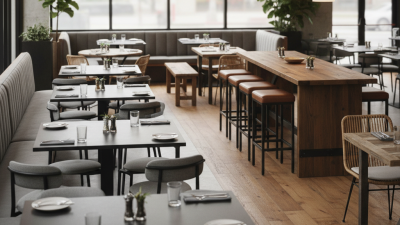
For global buyers, restaurant furniture must survive more than attractive product photography. It faces repeated chair movement, spills, cleaning chemicals, and uneven floors. The National Restaurant Association’s 2024 State of the Restaurant Industry projected U.S. restaurant sales of $1.1 trillion and employment of 15.7 million. That scale makes dependable supply, repair support, and consistent production worth checking—not just unit price. Ask manufacturers for documented lead times, material specifications, replacement-part availability, and references from comparable hospitality projects.
Assess durability with evidence. Ask whether seating has been tested to relevant ANSI/BIFMA performance standards, and request test reports tied to the exact model. Check frame joints, welds, upholstery abrasion results, and finishes under your expected cleaning routine. A polished sample is not proof. Confirm that production pieces match it. Also review packaging, shipping protection, and quality-control procedures; a strong chair can still arrive with damaged corners or loose fittings.
Tip: Request a sample and test it in a working dining area. Wipe the surface repeatedly, move the chair across your actual flooring, and note wobble or noise. Compare warranty terms and spare-part timelines in writing. Sustainability claims deserve the same scrutiny: ask for material composition and supporting documents. One trade-off is easy to miss: the lightest chair may simplify staff handling, but it may feel less stable. Test before committing.
Global buyers can compare ten distinct manufacturer profiles by matching materials and production strengths to their restaurant’s needs.
Profile 1 specializes in solid wood, with visible grain and repairable joints.
Profile 2 focuses on metal frames, suited to busy dining rooms where chairs move often.
Profile 3 makes upholstered seating; ask about fabric abrasion ratings and replacement covers.
Profile 4 produces compact café furniture, including narrow tables for tight floor plans.
Profile 5 builds outdoor sets using weather-resistant finishes and drainage-friendly designs.
Profile 6 offers custom dimensions, useful when standard table heights do not fit service needs.
Profile 7 supplies stackable chairs, which can simplify storage between shifts.
Profile 8 works with recycled materials, though buyers should request clear material specifications.
Profile 9 handles large-volume production; confirm sample approval and inspection steps before placing an order.
Profile 10 combines tables, chairs, and booths, potentially reducing coordination across suppliers.
A catalog alone is not enough. One detail is easy to miss: replacement parts may matter more than a low initial price.
Tips: Request a finish sample, test a chair on the actual floor, and confirm packaging dimensions. Ask for lead times in writing. Compare warranty coverage carefully; it can vary, and broad promises are not always specific. A careful review takes time, but rushed choices can leave awkward gaps between the furniture plan and daily service.
Regional furniture strengths often reflect local materials, skilled labor, and access to shipping routes. East Asian production centers may offer high-volume capacity and varied metal-frame or molded seating options. European workshops often focus on detailed finishes and durable joinery, though lead times can be longer. North American manufacturers may provide responsive supply for nearby buyers. Every region has trade-offs.
International coverage involves more than factory output. Buyers should check export experience, packaging methods, spare-part availability, and consistency across repeat orders. A chair that looks sturdy in a showroom may be damaged after weeks in transit. Ask about carton dimensions, surface protection, and relevant test reports. Small checks matter.
Production scale is not the only measure. Smaller factories may handle custom dimensions closely, while larger operations can support multi-site projects. Confirm monthly capacity, quality checks, and how defects are handled after delivery. Request a sample. Compare it with the written specification, not only the product photo. I have seen buyers focus heavily on unit price; freight, replacement parts, and delays can change the actual cost.
Regional sourcing overview, not a ranking of named companies. The entries describe established manufacturing hubs and common sector capabilities; export destinations vary by supplier, product, and buyer requirements.
| No. | Regional production hub | Typical production strengths | Common restaurant furniture | Potential export-market reach | Buyer considerations |
|---|---|---|---|---|---|
| 1 | China — Guangdong and Zhejiang | Broad supplier base, established component sourcing, and capacity for varied materials and order sizes. | Metal and wood chairs, tables, stools, banquettes, and outdoor pieces. | Export-oriented suppliers commonly serve buyers in North America, Europe, Asia-Pacific, and the Middle East. | Confirm factory capability, product specifications, packaging, inspection requirements, and applicable destination-market standards. |
| 2 | Vietnam — southern manufacturing belt | Furniture production supported by export-oriented manufacturing and access to regional ports and supply chains. | Wood and mixed-material seating, dining tables, and hospitality furniture. | Suppliers may export to North America, Europe, and other Asia-Pacific markets. | Check wood species, material origin, production lead times, and documentation required for imports. |
| 3 | Malaysia — furniture-producing states | Established wood-furniture manufacturing, with some producers offering upholstered and mixed-material lines. | Timber chairs, tables, benches, and selected upholstered seating. | Export markets can include North America, Europe, and regional Asia-Pacific destinations. | Request details on timber sourcing, finishes, upholstery materials, and shipment consolidation. |
| 4 | Indonesia — Java and other furniture centers | Known for wood-based furniture production and a range of handcrafted and factory-made items. | Solid-wood chairs, tables, benches, and decorative restaurant seating. | Exporting producers may supply buyers in Europe, North America, and Asia-Pacific. | Verify wood legality and traceability documentation, moisture control, and consistency across repeat orders. |
| 5 | Turkey — western industrial regions | Furniture production with access to European and nearby regional trade routes; capabilities vary by manufacturer. | Upholstered seating, dining chairs, tables, and metal or wood-framed furniture. | Potential destinations include Europe, the Middle East, and nearby markets. | Compare freight terms, upholstery specifications, fire-safety requirements, and product testing needs. |
| 6 | Poland — central European production base | Manufacturing within the European supply chain, with production spanning wood, metal, and upholstered furniture. | Dining chairs, tables, upholstered benches, and contract furniture. | Suppliers commonly target European customers; some also serve markets beyond Europe. | Assess minimum order quantities, customization options, delivery schedules, and relevant EU product requirements. |
| 7 | Italy — northern furniture districts | A diverse furniture sector with strengths in design-led products, finishing, and specialized manufacturing. | Design-focused chairs, tables, stools, and upholstered seating. | Suppliers serve European buyers and international hospitality projects, depending on the producer. | Clarify whether products are made to order, the scope of customization, lead times, and replacement-part availability. |
| 8 | Germany — established industrial regions | Industrial manufacturing base supporting engineered products and contract-furniture supply; capabilities differ by supplier. | Commercial chairs, tables, benches, and durable seating systems. | Primarily serves European markets, with international project supply available from some producers. | Request performance data, warranty terms, spare-parts support, and documentation for intended use. |
| 9 | United States — domestic furniture centers | Domestic production includes contract and hospitality furniture, with sourcing and production models varying by company. | Commercial seating, tables, booths, and made-to-specification furniture. | Domestic suppliers primarily serve the U.S. market; selected producers supply international projects. | Confirm where each item is manufactured, project capacity, code compliance, and freight arrangements. |
| 10 | Mexico — industrial regions near major trade corridors | Furniture manufacturing benefits from regional supply chains and access to North American trade routes. | Wood and metal chairs, tables, booths, and commercial seating. | Suppliers may serve Mexico, the United States, and other regional markets. | Check product origin, cross-border logistics, tariff classification, and delivery terms for the destination country. |
Global buyers should compare restaurant furniture suppliers on more than unit price. Request material specifications, load-test details, warranty terms, replacement-part availability, and realistic production schedules. Ask for a sample chair and inspect its joints, edges, finish, and underside—not just its showroom surface. Small details matter. Confirm carton dimensions, pallet counts, and delivery estimates before reserving freight; a low quote can become costly when bulky tables leave unused container space. No scorecard catches every local issue, so keep room for a second review.
Procurement plans should reflect the restaurant’s actual service pattern. A high-turnover dining room may need stackable chairs and easily cleaned surfaces, while a quiet café may prioritize comfort and repairability. The National Restaurant Association’s 2024 State of the Restaurant Industry reported that 45% of operators said their business was not profitable in 2023. That pressure makes lifecycle cost worth comparing alongside purchase price: estimate cleaning, spare parts, expected replacement, and shipping. Ask suppliers to price one consistent specification, then compare lead times and packing assumptions. A spreadsheet helps, but forecasts are imperfect; test a small order where practical before committing to a full-site quantity.